
What It Really Means to Lead a Healthy Worship Team
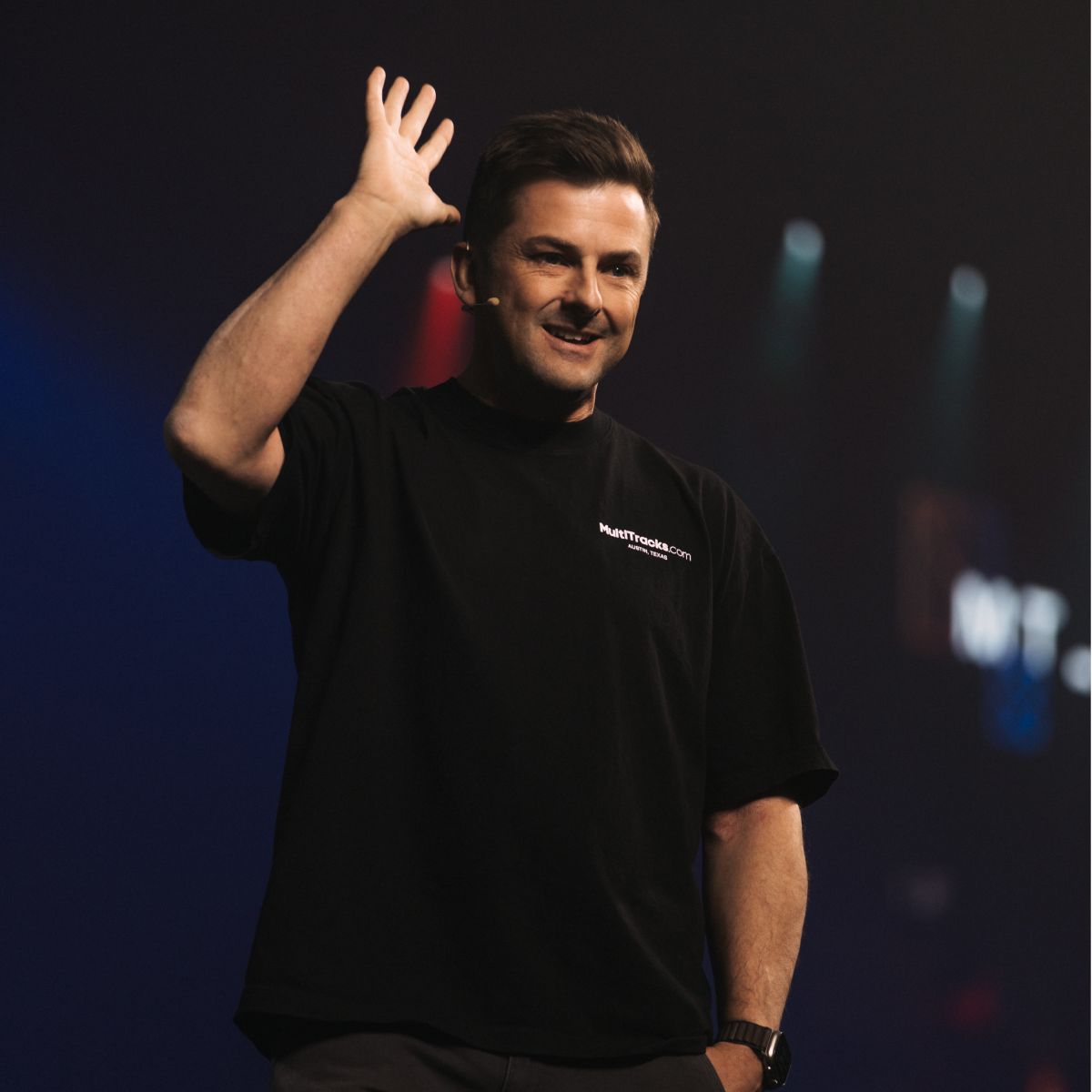
Our VP of Product Innovation, Kristian Ponsford, reminded us what a healthy team really looks like, and challenged us to ask ourselves where the emphasis has really been.
Read his talk below and join us this year November 17th-19th at City Reach Church in Austin, TX.
If you lead a worship team, you already know the top challenge before anyone tells you the number.
A recent survey of worship leaders found that 62% name recruiting and retaining volunteers as their biggest struggle. And the teams serving every single week were far more likely to describe themselves using words like fatigue, burnout, and exhaustion.
Here is the detail worth sitting with: When the same leaders were asked what they most wanted to grow in, only 39% said technology training. Nearly half, 47%, said pastoral care and communication.
That is not a small thing. It means the struggle most leaders carry is not a lack of caring. It is the opposite. Many of you are struggling because you care so much, and because you are carrying so much of that care alone.

What Volunteers Are Actually Asking For
When volunteers were asked what they needed, the answer was not more gear. It was alignment.
Tools that work without a fight. Systems that save time instead of adding steps. A way for ministry to feel sustainable again instead of like something to survive.
Healthy teams, the ones that describe themselves as genuinely thriving, tend to share four things in common:
They are prepared. They walk into rehearsal already knowing their parts, with no surprises waiting for them.
They are connected. Communication is clear and it is consistent, not sporadic.
They are confident. They trust their tools, they trust each other, and they trust the role they have been given.
They are present. They are not just playing songs alongside you. Because the logistics have already been handled, they get to actually lead worship, and be in the room while they do it.
Give a volunteer those four things: preparation, connection, confidence, and presence, and you have given them one of the best gifts available to anyone who steps onto a platform: the freedom to actually be there.
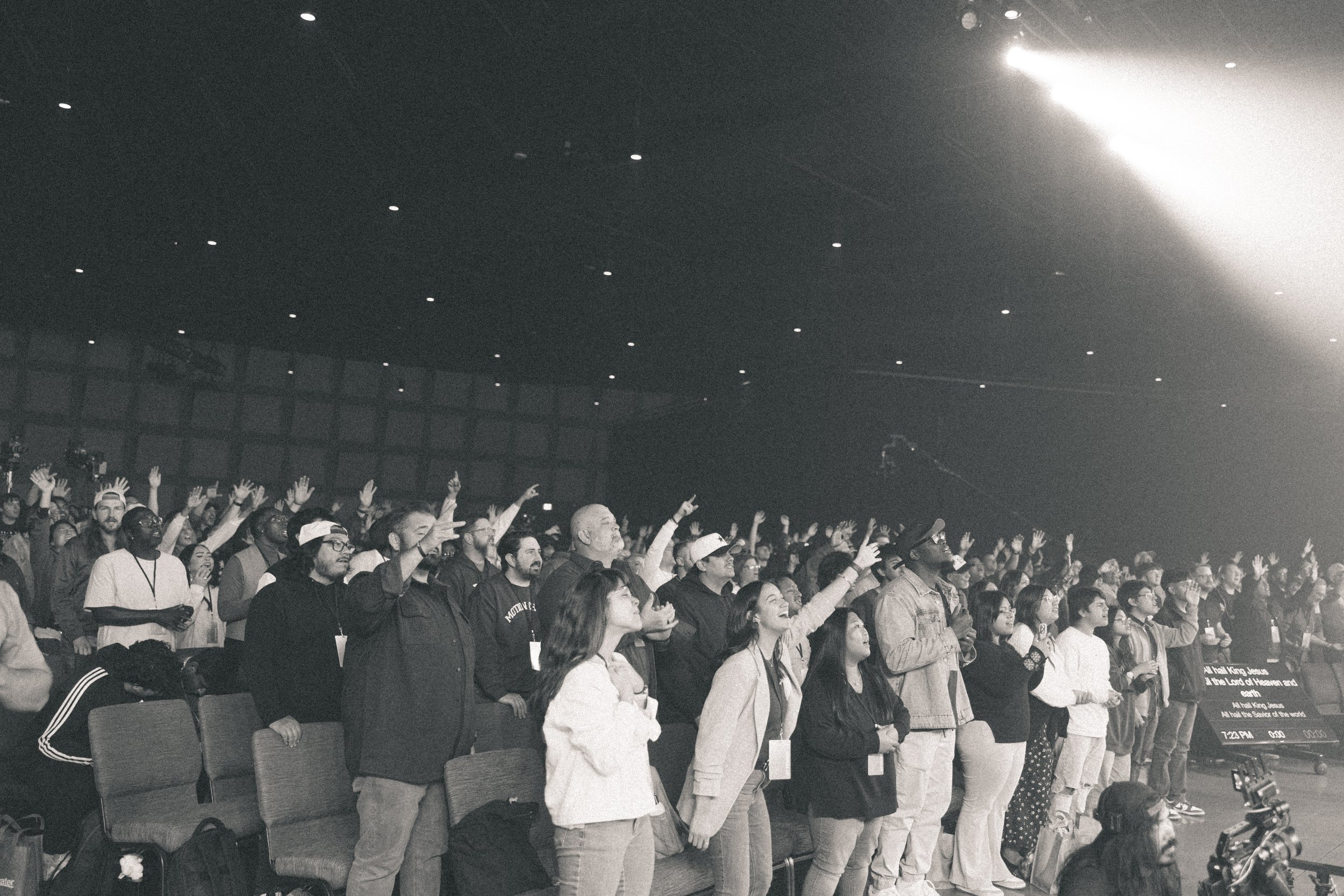
Three Words Worth Building a Team Around
A simple framework holds all of this together: prepare, connect, empower.
Prepare. Preparation is one of the clearest ways a team feels cared for. That means getting set lists out early, not the morning of. It also means giving people the why behind a song choice, not just a chord chart. Teams using tools built for this kind of preparation report spending roughly 25% less time in rehearsal than they did before, which is real margin handed back to real people. One leader summed up what that margin felt like simply: finally, we sound good enough to breathe again.
Connect. People play differently when they feel known. Interestingly, the data shows that all-volunteer teams and all-staff teams tend to connect well on their own. The harder gap, and the most common setup in churches, is one paid staff member leading a team of volunteers. That gap seems to close with intentional communication and vision-casting, not just musical excellence. As one leader put it, the best Sundays happen when everybody feels like they belong before they ever play a note.
Empower. This is the step that turns followers into leaders and volunteers into owners. Teams that rotate leadership, hand off a prayer moment, or let someone else lead a song report 40% lower burnout than teams where the same person always carries it. Burnout, it turns out, does not only come from doing too much. It can also come from never getting to use the gift you actually have.

The Team You Already Have
There is an old story worth borrowing here from King David. In Psalm 142, he prays what a lot of worship leaders have prayed in one form or another: God, I know what You have called me to. I just do not have anyone to help me do it. I am alone.
Later, in 2 Samuel, David is surrounded by what the Bible calls mighty warriors, an extraordinary team by any measure. So what happened in between? The answer sits in 1 Samuel, in a cave, where David gathers around him people described as destitute, in debt, and discouraged.
Those are the same people who later became his strongest leaders.
It is worth asking whether the answer to your own version of that prayer is not a better drummer or a more experienced sound engineer waiting somewhere out there, but someone already on your team who has not yet been invested in.
Sometimes the highlight of leading a team is not how far you personally go. It is what you release someone else to become.
A Question Worth Asking Yourself
After a long weekend leading worship at a small conference, Kristian Ponsford, now VP of Product Innovation at MultiTracks.com, sat quietly in the back of a car, worn out and not in the mood to talk.
The friend driving glanced back and asked what his job title was. He answered: worship pastor. Then came the follow-up: with a capital W, or a capital P?
It is a fair question for any of us leading a team. Where has the emphasis actually been, on the excellence or on the people carrying it?
Keep the Conversation Going at MT Conference
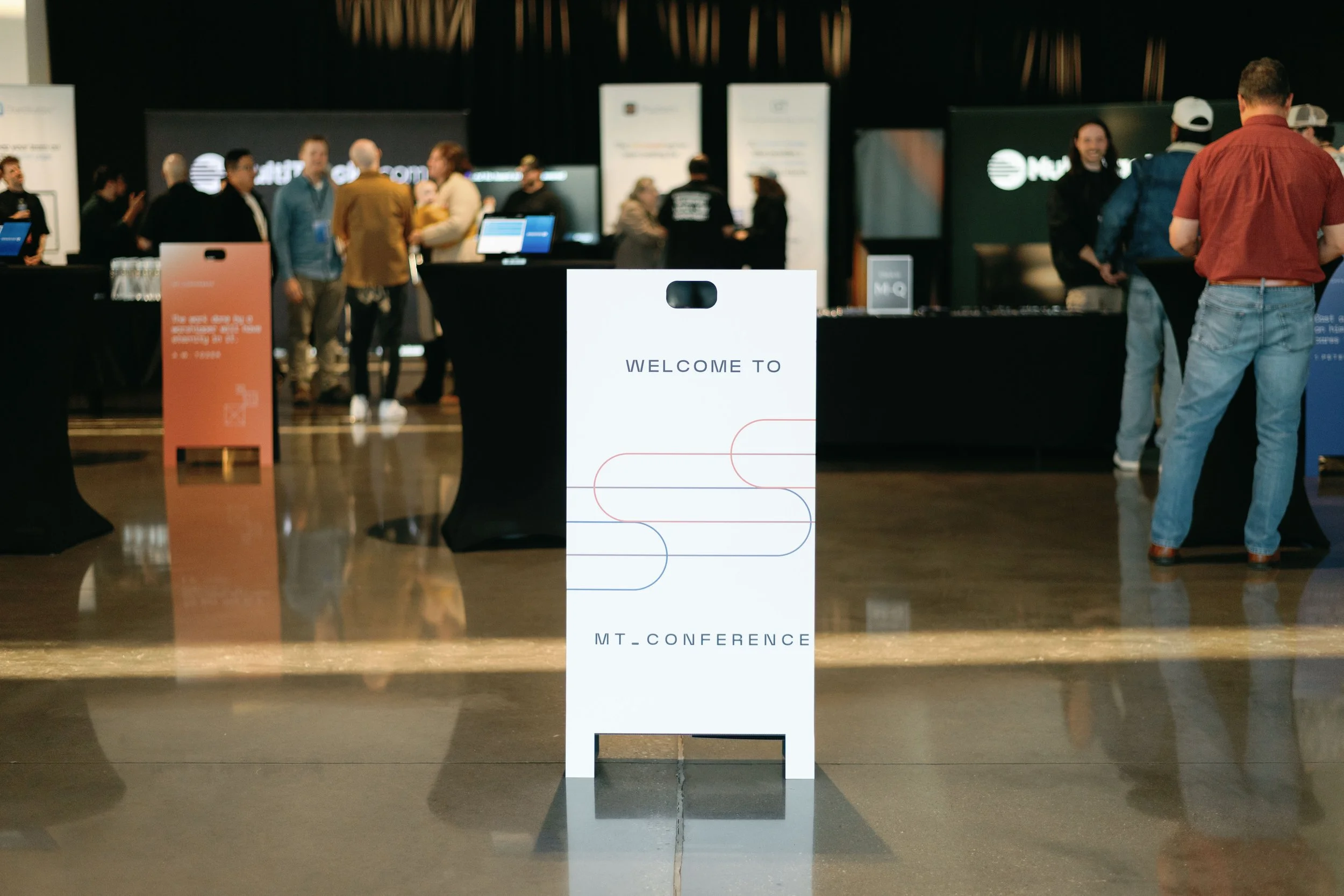
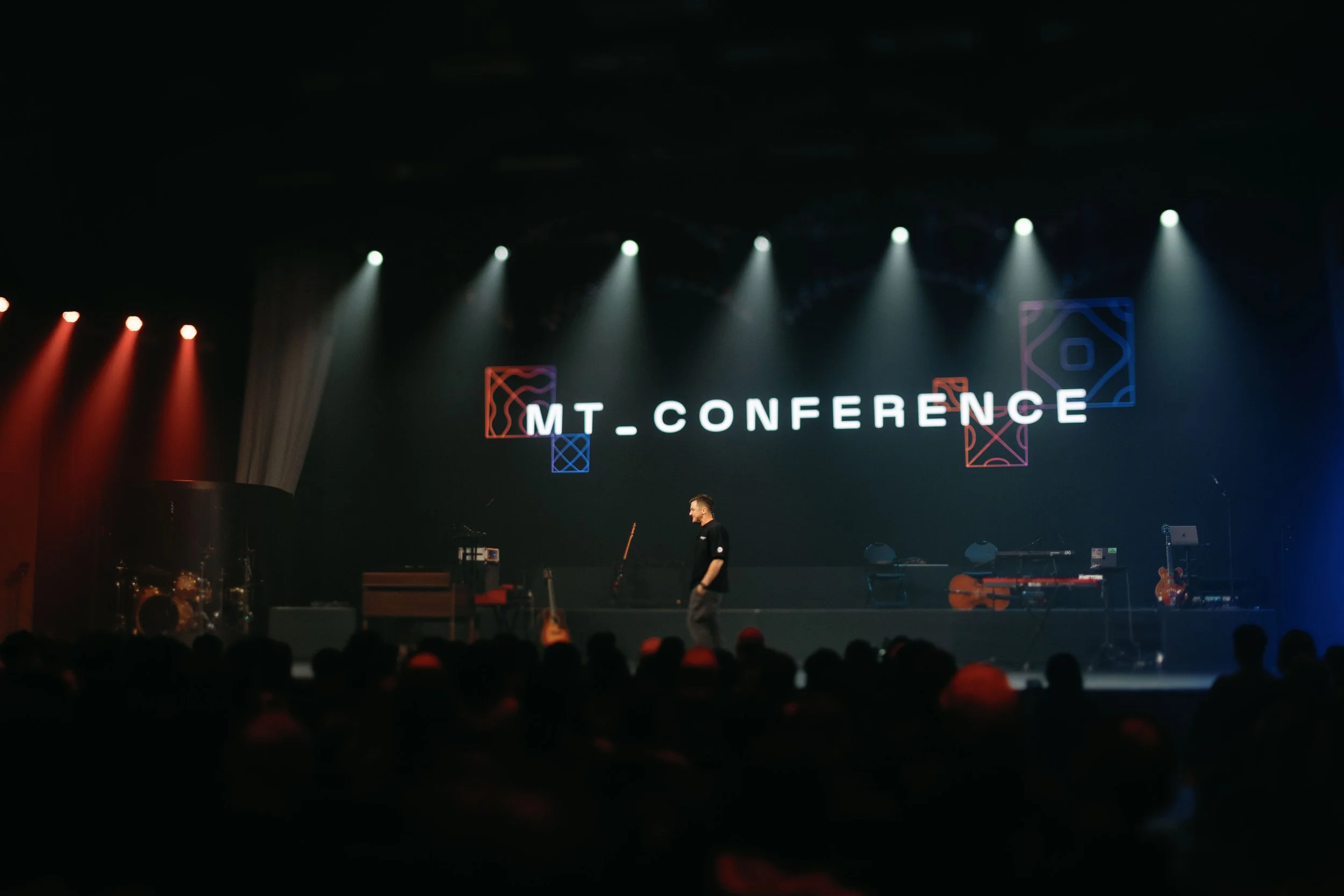
Moments like these are what MT Conference was built around: worship leaders, musicians, and creatives gathering to think through questions like these together, not alone.
MT Conference 2026 returns November 17 through 19 at City Reach Church in Austin, Texas, for three days of teaching, worship, and hands-on training designed to equip your team for the season ahead.
LEARN MORE AND REGISTER

Explore the integrated ecosystem at MultiTracks.com.