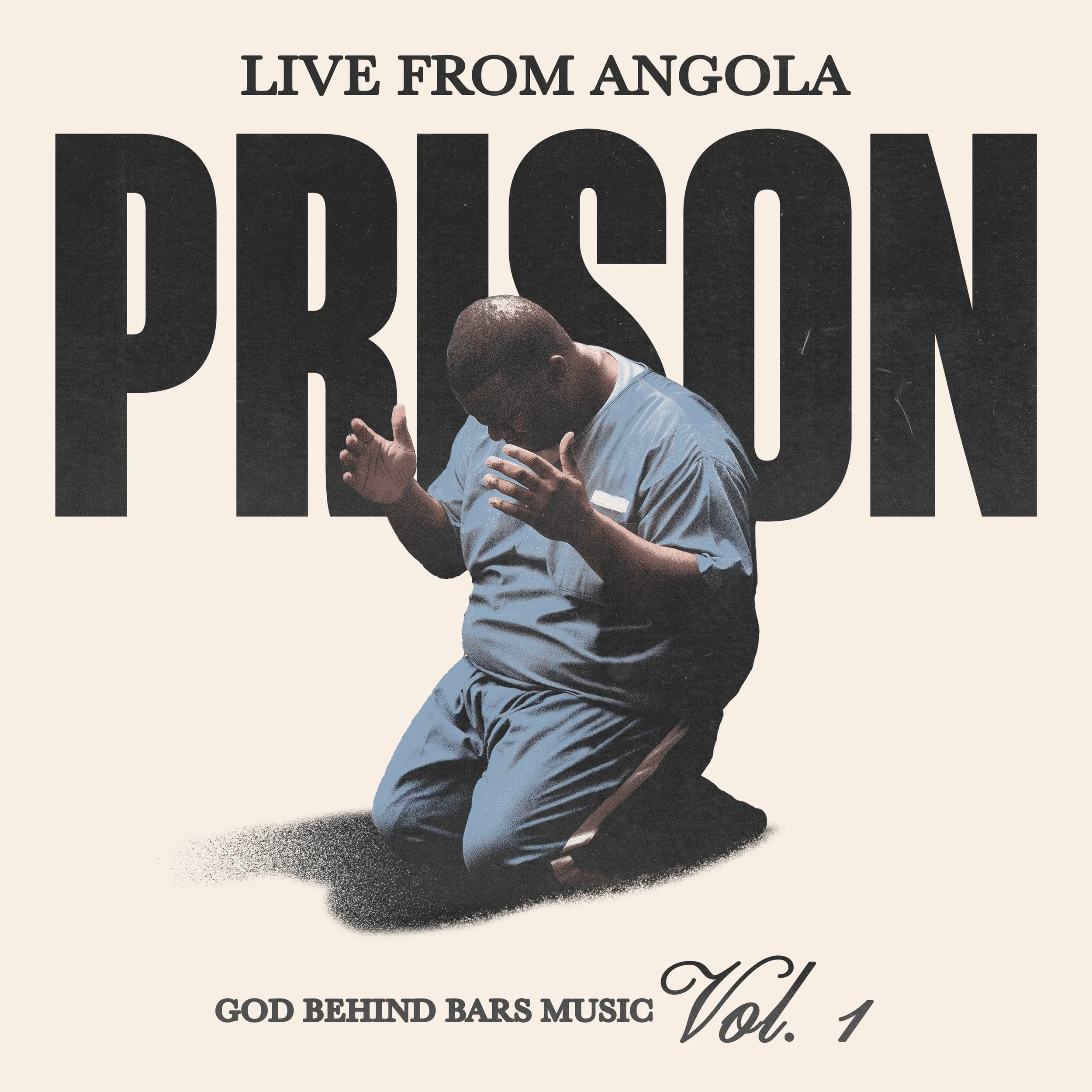
God Behind Bars
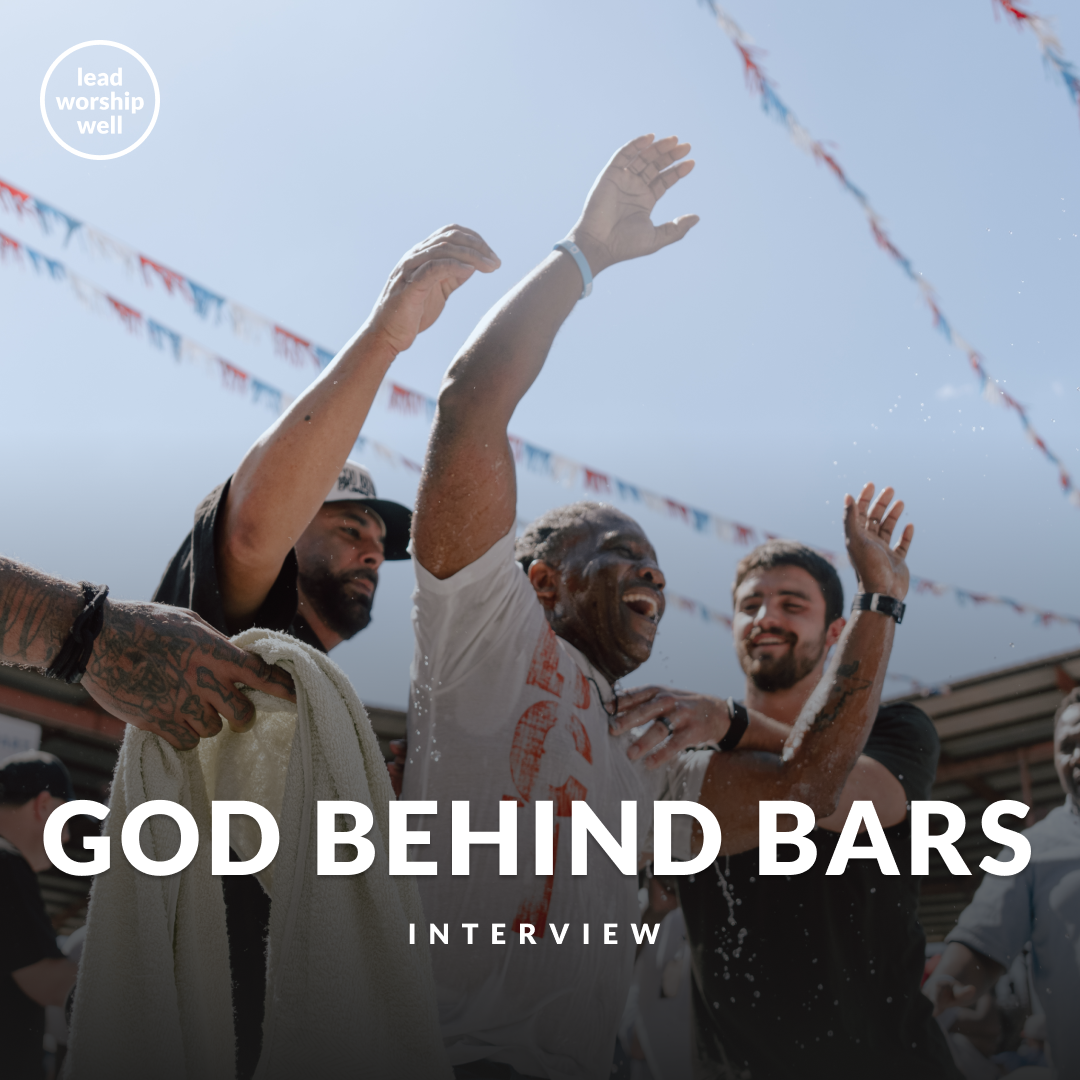
Approximately 1.2 million people in the U.S. are incarcerated at any given time, representing one of the most unchurched populations in our country. God Behind Bars is on a mission to change that.
“We will stop at nothing to ensure every inmate in the U.S. has direct and personal access to the Gospel. We want to help them grow their faith, heal trauma and emotional wounds, break addictions and cycles, and allow every person behind bars to step into their calling as sons and daughters of the Most High.
It’s a simple fact that less than 20% of inmates are serving life sentences, and up to as many as 95% of all incarcerated individuals will be released back to society at some point. About 37% of those released will return to prison within three years, and over 80% will be rearrested within ten years. God Behind Bars addresses this drastic recidivism problem with a unique approach that focuses on the spiritual, physical, and relational needs of inmates and their families.”
We heard from CEO/Founder Jake Bodine about his heart for this demographic, how believers can help inmates meet Jesus, and the impact of the powerful songs that have come out of this ministry.
What called you originally to minister to this specific demographic?
Honestly, I never set out to start a prison ministry. God simply opened a door, and I walked through it.
The first time I stepped inside a prison, I expected to encounter people defined by their worst mistakes. Instead, I encountered fathers, sons, husbands, and men and women desperately searching for hope. I quickly realized that prison walls may separate people from society, but they don't separate them from the love of God. What kept drawing me back was seeing that the Gospel works just as powerfully behind bars as it does anywhere else.
Jesus consistently moved toward the people society moved away from, and I felt compelled to do the same.
Do you face any controversy or just mere confusion when you share about this ministry? For believers who are either involved in prison ministries or other ministries, how can we confront this bias in both truth and love?
More often than controversy, we encounter misunderstanding. Many people assume prison ministry is about excusing crime or overlooking victims. It isn't.
We can care deeply about justice while also believing in redemption. The Gospel doesn't minimize what someone has done. It magnifies what Jesus has done.
Every one of us stands in need of grace. The difference between many of us and those behind bars is often consequence, not sinlessness. The best way to confront bias is to help people see individuals instead of labels. When someone hears the story of a restored father, a reunited family, or a life transformed by Christ, it becomes much harder to view people as merely inmates. Truth tells us we are all sinners. Love reminds us that no one is beyond redemption.
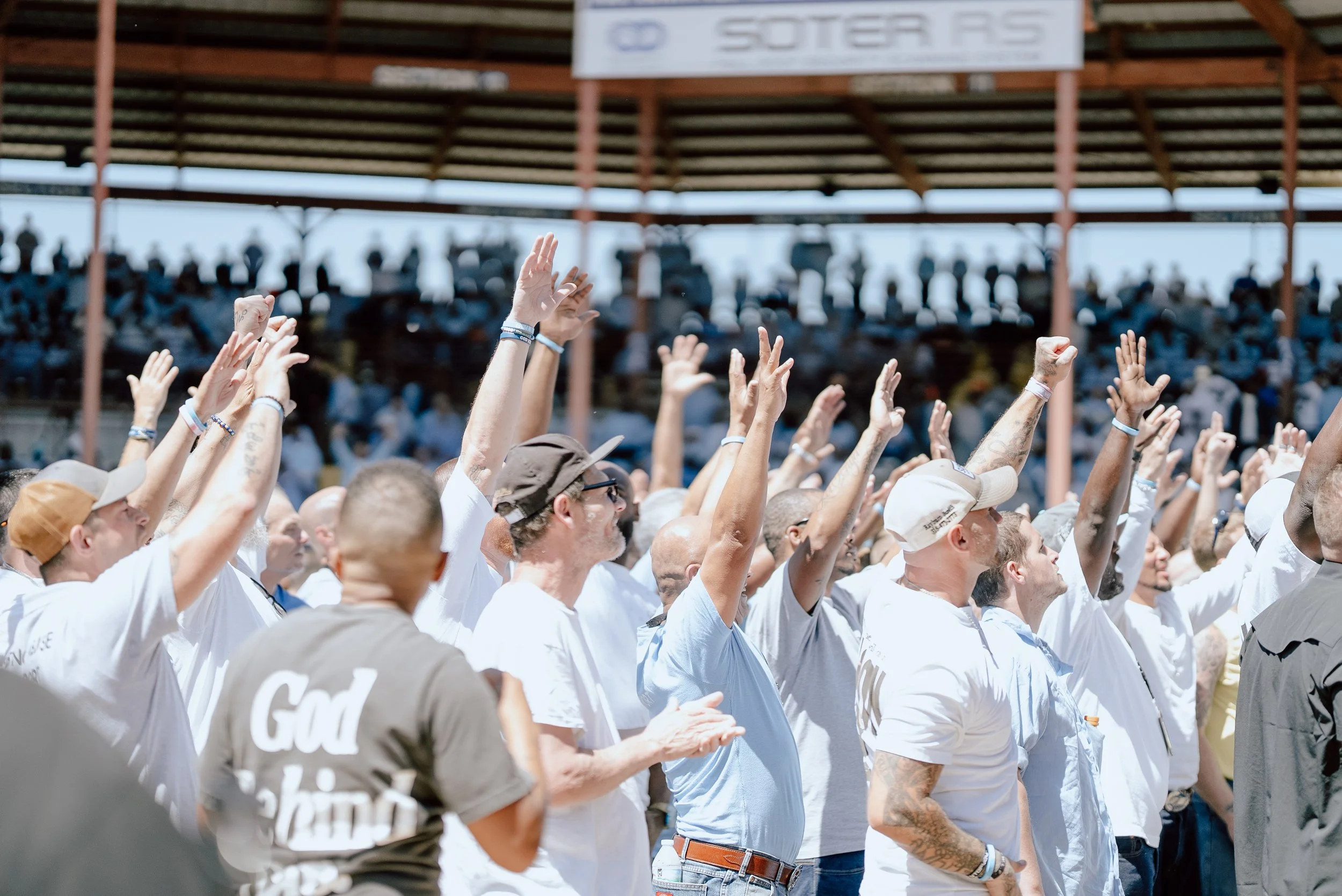
How has this mission encouraged you personally, spurred you on in faith, and deepened your awareness of your desperate need for a Savior?
Prison ministry has shattered any illusion that I am somehow different from the people we serve. It has reminded me over and over that my identity is not built on my successes, but on God's grace.
I've watched men worship with a sincerity that humbles me. I've seen people with every reason to be bitter choose forgiveness.
I've seen hope emerge in places where it shouldn't logically exist. Those moments strengthen my faith because they remind me that Jesus is still transforming lives today. The longer I do this, the more aware I become of my own need for a Savior. The prison walls haven't shown me how different I am from those inside. They've shown me how much we all need the same grace.
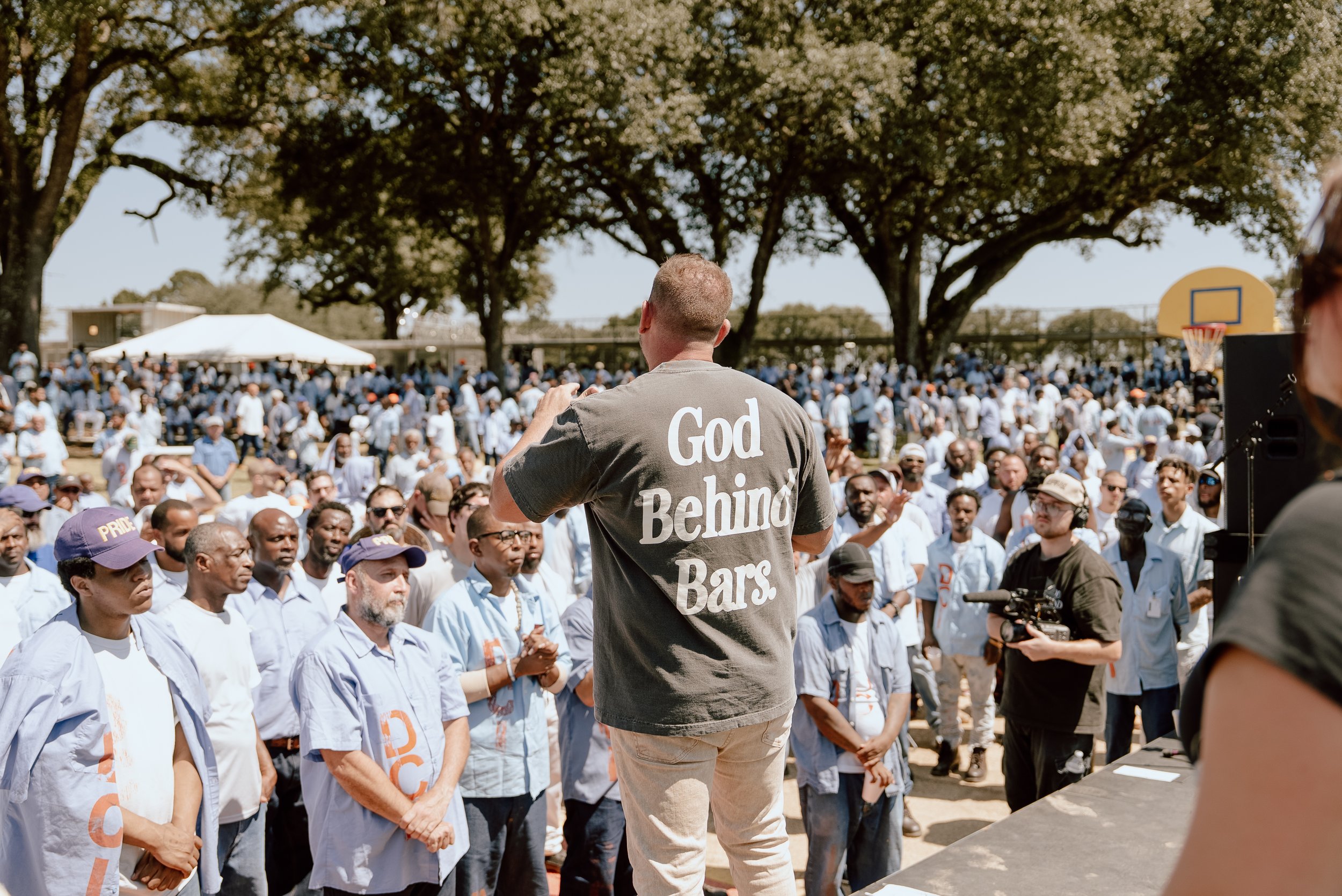
Which songs formed in this ministry have you seen connecting with the Church?
What has been most encouraging is seeing songs born from stories of redemption resonate with people both inside and outside prison walls.
Songs like "Outlaw" and others that focus on grace, freedom, and second chances connect because they tell the story of the Gospel. The Church is hungry for authentic worship. When songs emerge from real transformation and real testimonies, people recognize that.
These aren't just songs written about freedom. They're songs written by people who have experienced it.
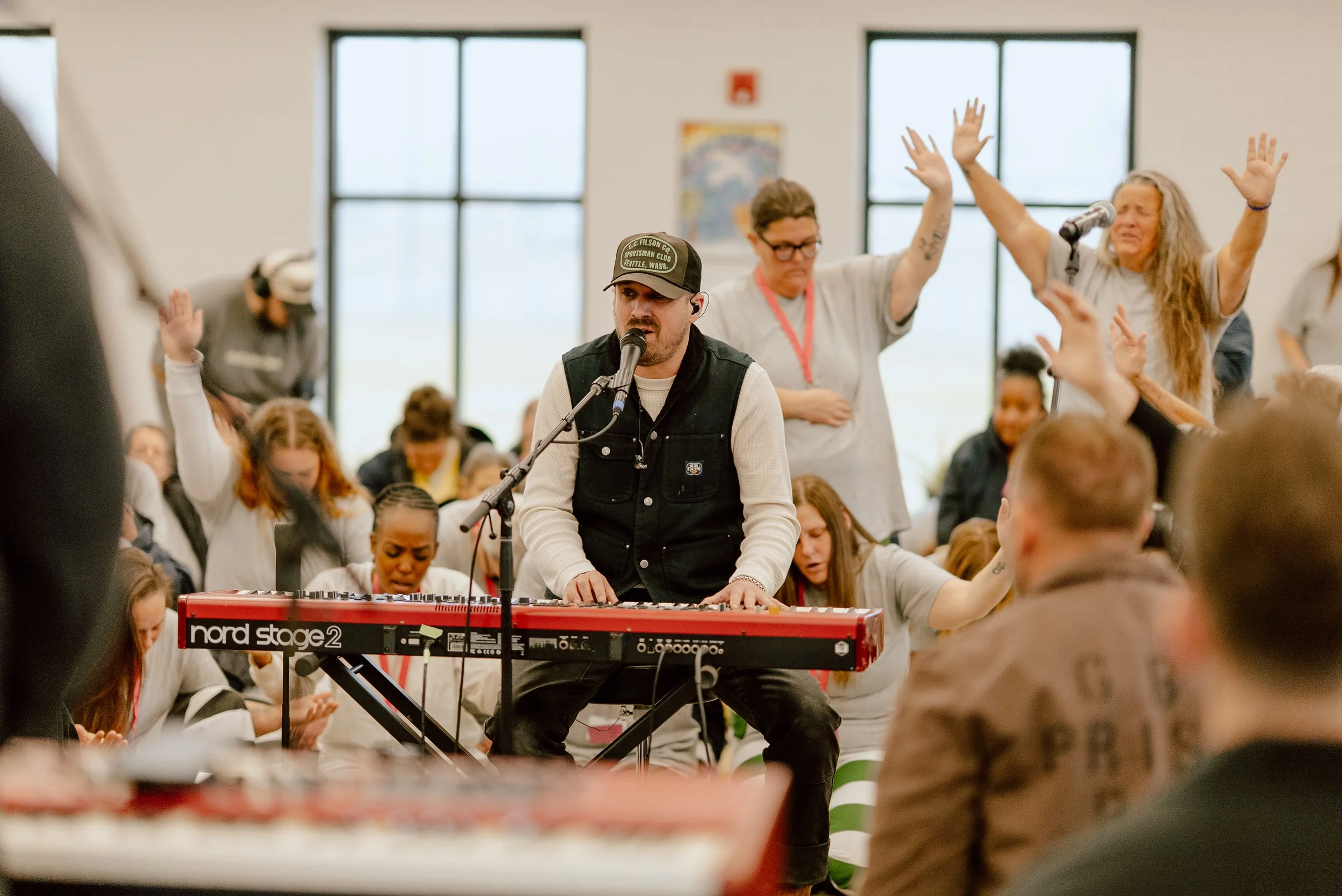
You've had artists and songwriters like Mitch Wong, David Leonard, Matt Redman and more get involved. How does their presence and leading in the room bless the space?
It's an incredible gift because these artists bring both excellence and humility. What has impacted me most is how quickly titles and accomplishments disappear once they're inside a prison.
When these songwriters sit across from incarcerated men and women, they aren't writing songs about them. They're writing songs with them. That partnership communicates dignity, value, and belonging in a powerful way. The artists leave encouraged, the incarcerated participants leave empowered, and together they create something beautiful that reflects the Kingdom of God.
It's a picture of the Church at its best.
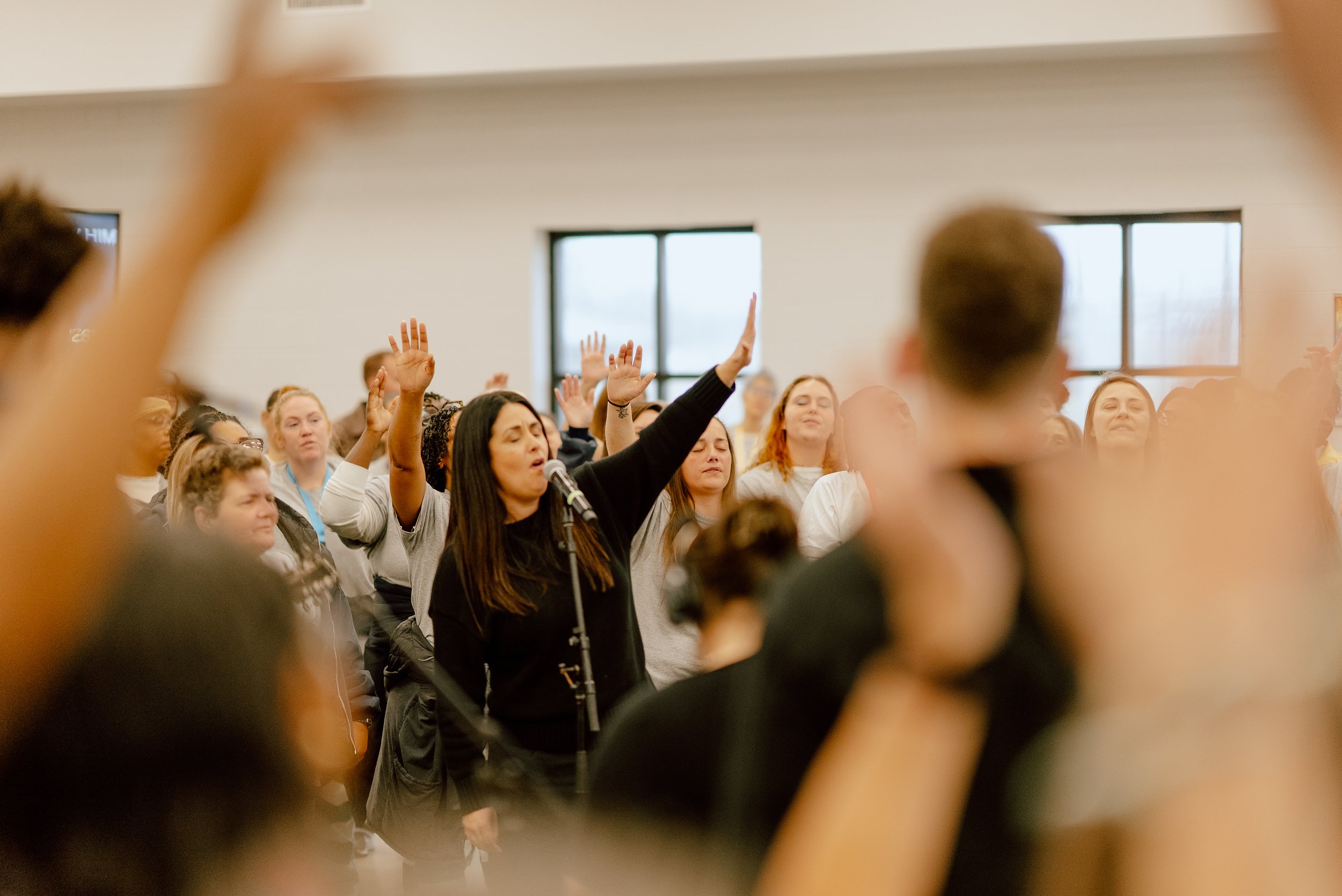
How can people support and/or get involved in God Behind Bars?
First, pray.
Every prison door that opens, every life that is transformed, and every family that is restored begins with God moving in ways we could never accomplish on our own.
Second, get involved.
Whether it's serving in a prison, helping families impacted by incarceration, supporting our worship initiatives, or partnering financially, there are countless ways to make a difference.
Finally, help us change the narrative.
See people the way Jesus sees them. Share stories of redemption. Advocate for hope. Every time someone chooses to believe that a life can be transformed by Christ, they're helping make the razor wire just a little thinner between the Church and those behind it.